
How to Increase Happy Hormones Naturally: An Ayurvedic Approach to Emotional Healing


Mental health challenges are rising across India, and Madurai is no exception. Many individuals silently struggle with depression, anxiety, emotional burnout, and chronic stress. One such story is Sangeetha, a 40-year-old homemaker from Madurai whose journey reminds us that healing is possible.
For nearly two years, Sangeetha experienced persistent sadness, sleep disturbances, loss of appetite, emotional withdrawal, and hopelessness. She felt exhausted despite doing minimal work. Gradually, she stopped enjoying family interactions. At her lowest point, she contemplated ending her life.
Her family recognized the warning signs and brought her to Ayushvaidya Wellness, widely known as one of the Best Ayurveda clinics in Madurai for holistic healing and hormone balance treatment.
What followed was a carefully structured integrative approach focused on restoring happy hormones naturally while ensuring medical responsibility and emotional safety.
The Rising Burden of Depression and Hormonal Imbalance
According to the World Health Organization, more than 280 million people worldwide suffer from depression. In India, The Lancet Psychiatry reports that nearly 15 percent of the population experiences mental health disorders during their lifetime.
Chronic stress increases cortisol levels, which suppresses serotonin and dopamine production. Research shows that prolonged cortisol imbalance disrupts sleep, digestion, immune function, and emotional stability.
Understanding how to increase happy hormones naturally has therefore become a major search trend in India, especially among individuals seeking non addictive, sustainable solutions.
What Are Happy Hormones and Why Do They Matter?

Mental well-being depends on four primary neurochemicals:
Serotonin
Supports mood stability, sleep regulation, digestion, and emotional balance. Nearly 90 percent of serotonin is produced in the gut, making gut health critical for mental wellness.
Dopamine
Controls motivation, pleasure, and goal driven behavior. Low dopamine is linked to fatigue, lack of interest, and reduced productivity.
Oxytocin
Enhances bonding, trust, and emotional connection. Social isolation reduces oxytocin and worsens depressive symptoms.
Endorphins
Natural pain relievers that reduce stress and promote feelings of wellbeing.
When these hormones are balanced, individuals experience improved resilience, clarity, and emotional strength.
Ayurvedic Perspective on Emotional Health

In Ayurveda, depression and anxiety are often associated with aggravated Vata dosha affecting the nervous system and mental clarity. Instead of symptom suppression, Ayurveda focuses on root cause correction through:
Nervous system calming therapies
Digestive correction
Sleep regulation
Herbal adaptogens
Lifestyle restructuring
At Ayushvaidya Wellness Madurai, Sangeetha’s treatment included:
A detailed consultation that entailed the stressor points with psychological support.
An Ayurveda Therapeutic regimen including Abhyangam, Kizhi, etc.
Supervised herbal formulations that included herbs like Ashwagandha, Brahmi, Licorice, Ginseng, Black pepper, etc.
Gut-supportive dietary correction
Pranayama and guided meditation
Structured daily routine planning
Sangeetha’s Recovery Journey
Within 2 weeks, Sangeetha’s sleep improved significantly. Her crying spells reduced. She began participating in small household tasks.
After three months of consistent follow-ups, guidance, and family support, she described feeling emotionally lighter and more hopeful. While she continues with maintenance care, she no longer feels overwhelmed by feelings of hopelessness. It's like she found her purpose in life.
Her story highlights an important truth: depression is treatable, and early intervention can save lives.
5 Evidence-Based Ways to Boost Happy Hormones Naturally

1. Regular Exercise
Research shows 30 minutes of moderate physical activity five days per week can reduce mild depressive symptoms by up to 30 percent. Exercise increases endorphins and dopamine naturally.

2. Morning Sunlight
Exposure to natural sunlight enhances serotonin production and regulates circadian rhythm.
3. Gut Focused Nutrition
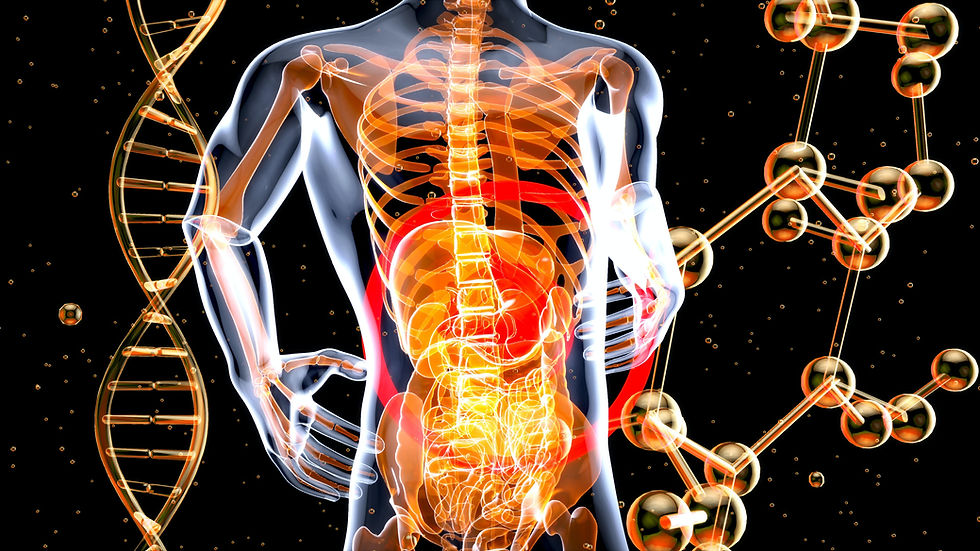
Whole grains, fermented foods, nuts, fruits, and adequate hydration support gut microbiome health, directly influencing serotonin balance. 95% of serotonin is secreted in the gut!

4. Meditation and Breathwork
Clinical trials confirm that mindfulness reduces cortisol and improves emotional regulation. So, a guided meditation helps a lot.

5. Meaningful Social Interaction
Strong relationships increase oxytocin and reduce stress hormone response. It also gives a sense of belonging and defines our purpose in life.
When to Seek Immediate Medical Help

If symptoms persist beyond two weeks, interfere with daily functioning, or include thoughts of self-harm, immediate psychological help is essential.
Ayurveda complements mental health treatment but does not replace emergency psychiatric care.
Learning how to increase happy hormones naturally is not about temporary mood enhancement. It is about restoring nervous system balance, improving gut health, correcting lifestyle habits, and strengthening emotional resilience.
For individuals in Madurai seeking hormone balance treatment, stress relief therapy, and Ayurvedic mental wellness support, Ayushvaidya Wellness offers personalized care rooted in classical Ayurveda and responsible integrative practice.
Sangeetha’s story is a reminder that silence is dangerous, but seeking help is powerful.
Healing begins with one step.
FAQs
1. How can I increase happy hormones naturally at home?
Regular exercise, sunlight exposure, meditation, and balanced nutrition support serotonin and dopamine production.
2. Can Ayurveda help with depression?
Ayurveda can support mild to moderate emotional imbalance. Severe depression requires psychiatric evaluation and integrated care.
3. How long does it take to balance happy hormones?
Some improvements may be noticed within weeks, but consistent lifestyle changes are essential for lasting results.
4. When should I see a doctor for depression?
If symptoms last more than two weeks, interfere with daily life, or include suicidal thoughts, immediate medical attention is required.


Comments