
Daily Chemical Overload: How 200+ Synthetic Compounds Sneak Into Your Routine

Updated: Feb 4
We wake to scents, to creams, to shine,
Yet hidden toxins cross the line.
A hundred chemicals touch our skin each day,
Silent intruders in life’s routine way.

In our modern world, synthetic chemicals—man-made compounds found in personal care, food packaging, household products, and even indoor air—are everywhere. From brushing my teeth in the morning to consuming packaged food at night, I find myself constantly in contact with them.
Shocking Numbers Behind Daily Chemical Exposure: Daily Chemical Overload: How 200+ Synthetic Compounds Sneak Into Your Routine
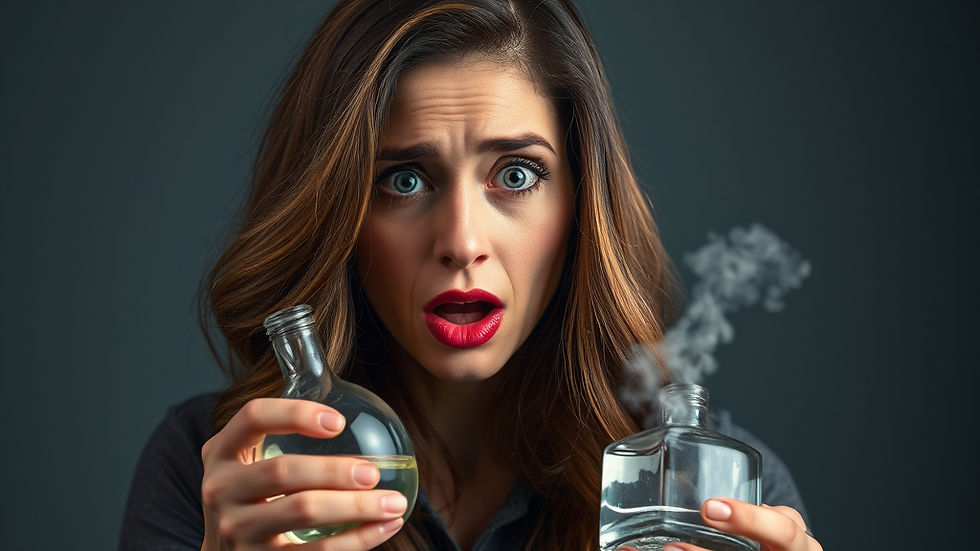
Recent reports from the EWG reveal eye-opening statistics:
The average adult uses 12 personal care products daily, exposing themselves to 100–200+ synthetic chemicals.
Women typically use 13 products, with exposure to 168 unique chemical ingredients.
Men average 11 products, with exposure to 112 unique chemicals.
Beyond grooming, chemicals infiltrate our lives through food packaging, cleaners, plastics, clothing, electronics, and indoor dust.
Biomonitoring by the CDC has detected hundreds of synthetic compounds in blood and urine samples, proving the lifelong buildup of these substances within our bodies.
Why It Matters to Us?

Many synthetic chemicals are endocrine disruptors, linked to:
Hormonal imbalance and reproductive issues
Increased cancer risk
Immune system suppression
Allergies and skin irritation
Persistent “forever chemicals” like PFAS and phthalates bioaccumulate in the body, raising long-term health risks. Children and pregnant women are especially vulnerable to these dangers.
How to Reduce Exposure

While it is impossible to eliminate all contact with synthetic chemicals, I have discovered that smart choices can significantly lower risks:
Choose fragrance-free, EWG-verified, or natural alternatives (such as original flower essences or extracts, natural oils, and herbal powders).
Read labels meticulously and avoid parabens, phthalates, triclosan, and vague “fragrance” listings.
Simplify routines with multi-purpose products that serve several functions.
Switch to glass or steel food storage containers and natural cleaners containing ash, as well as paraben-free soaps and detergents.
Stay updated on chemical safety reports from the World Health Organization (WHO), the Environmental Protection Agency (EPA), and the Environmental Working Group (EWG).
The Importance of Awareness
In the vast tapestry of life, awareness serves as the first thread woven into the fabric of protection.

The average person likely touches or gets exposed to 100–200+ synthetic chemicals daily. While not every chemical is harmful at low levels, the cumulative “cocktail effect” is a growing concern that cannot be ignored.
As I reflect upon these realities, I recognize the importance of sharing knowledge. By disseminating this article, I hope to inspire others to make healthier choices today.
👉 Awareness is the first step toward protection. Share this article with your network—it may help someone make healthier choices today.


Comments